The Newsroom
16 cultural editors. 11 languages. One mission.
Each desk owns its community, geography, and beat. Articles are published under Organization-level authorship for YMYL accountability, and every editor's bureau, language, and target areas are listed below.
National anchor and core desks
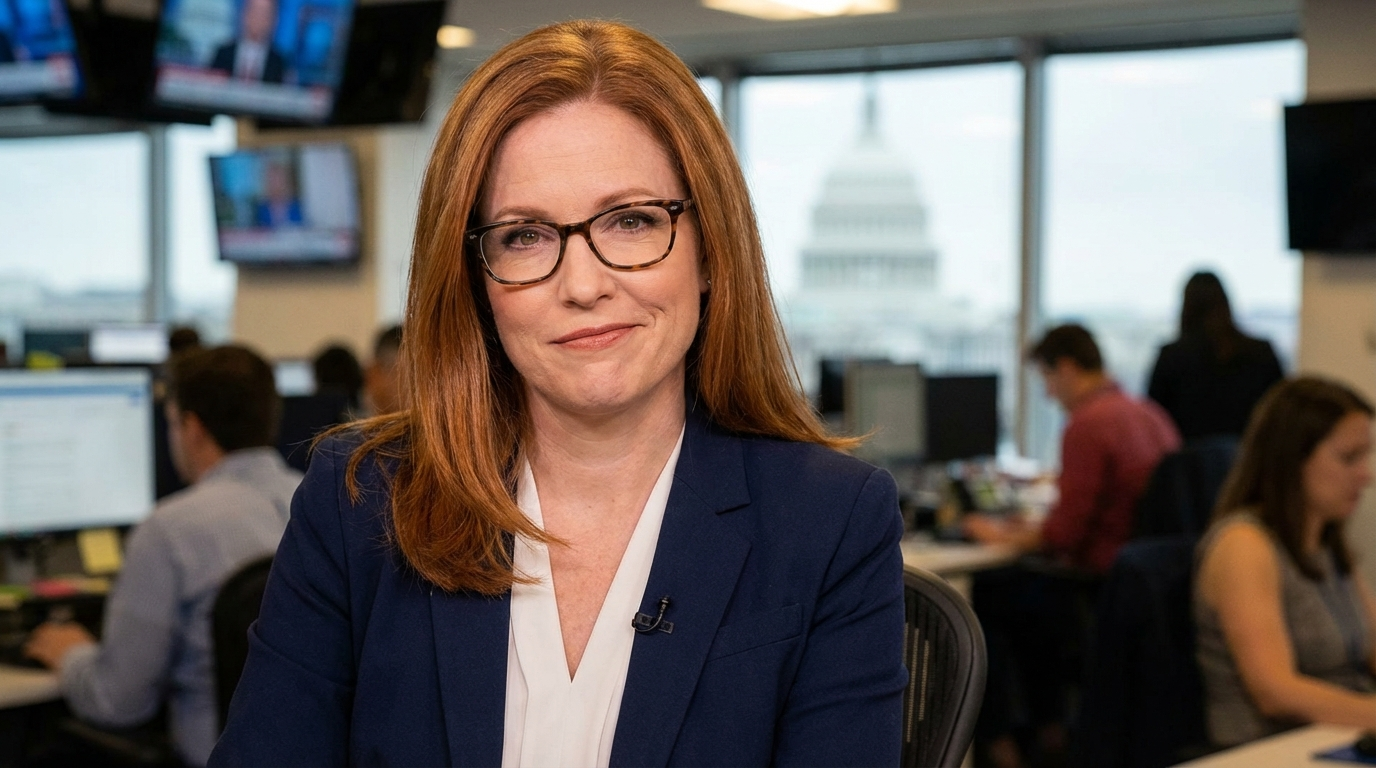
Sarah Chen-Watkins
Editor-in-Chief
National + Investigative Desk, Washington, D.C.
Covers carrier financials, executive pay vs benefit cuts, fraud investigations, prior authorization abuse, star rating manipulation, and 100 percent termination counties. Sharp, skeptical, data-obsessed.
English
/articles/

Mateo Reyes-Fuentes
Bureau Chief
La Mesa del Suroeste, San Antonio, TX
Bilingual provider access, clínica and FQHC network changes, family caregiving, IRA drug cost savings for diabetes, dual-eligible issues. Target areas: San Antonio, Phoenix, Miami, El Paso, McAllen, Los Angeles, Houston.
Español
/es/articulos/

陈医生 Dr. Chen
Bureau Chief
太平洋编辑部, San Francisco, CA
Part D drug tier analysis, carrier financial stability, IPA and medical group network changes, $2,000 OOP cap on specialty drugs. Target areas: SGV, SF Chinatown, NYC Flushing, Sugar Land, Honolulu.
中文
/zh/wenzhang/
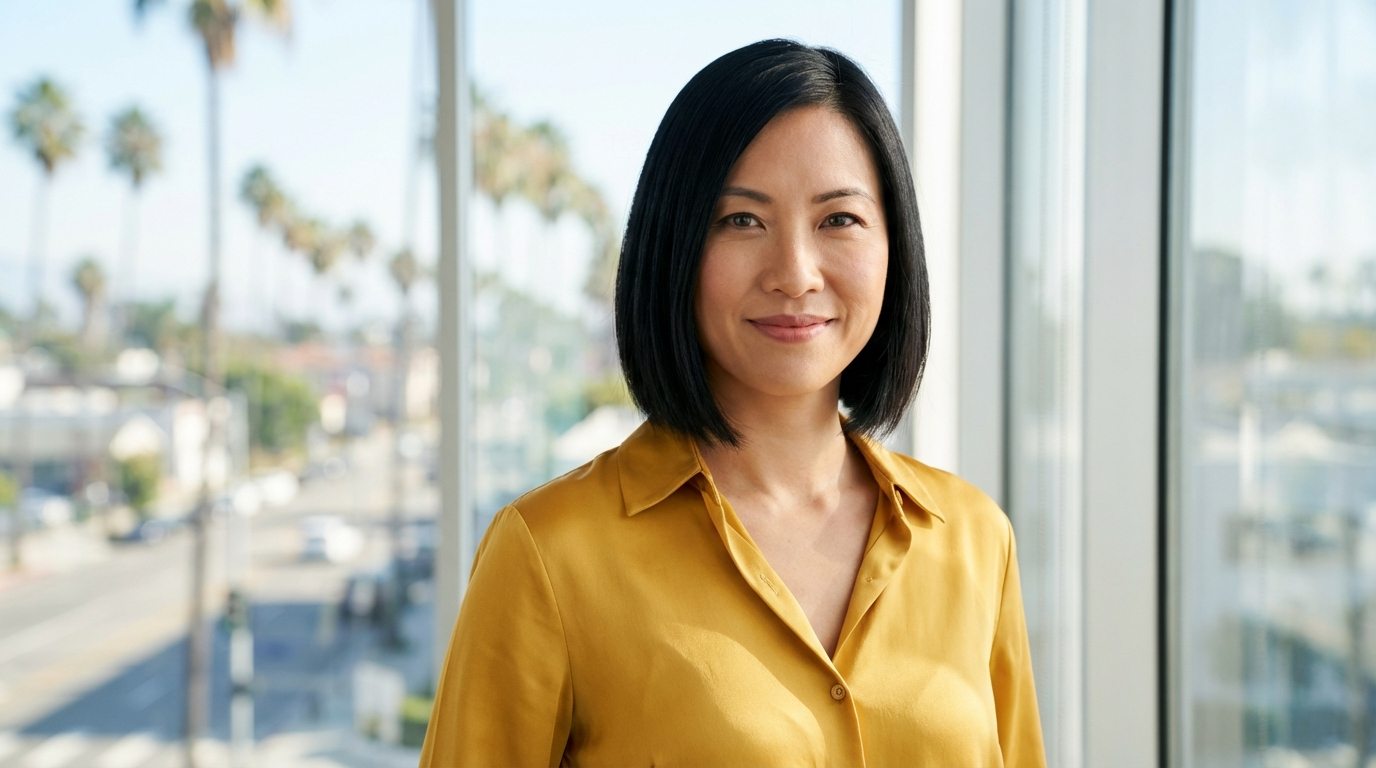
Mai Nguyễn-Trần
Bureau Chief
Ban Biên Tập Little Saigon, Westminster, CA
Section 1557 language access, PPO exits in Vietnamese-heavy zip codes, California Medigap guaranteed issue, dual-eligible benefits, fraud targeting Vietnamese seniors. Target areas: Westminster, San Jose, Houston, Fairfax, Seattle.
Tiếng Việt
/vi/bai-viet/
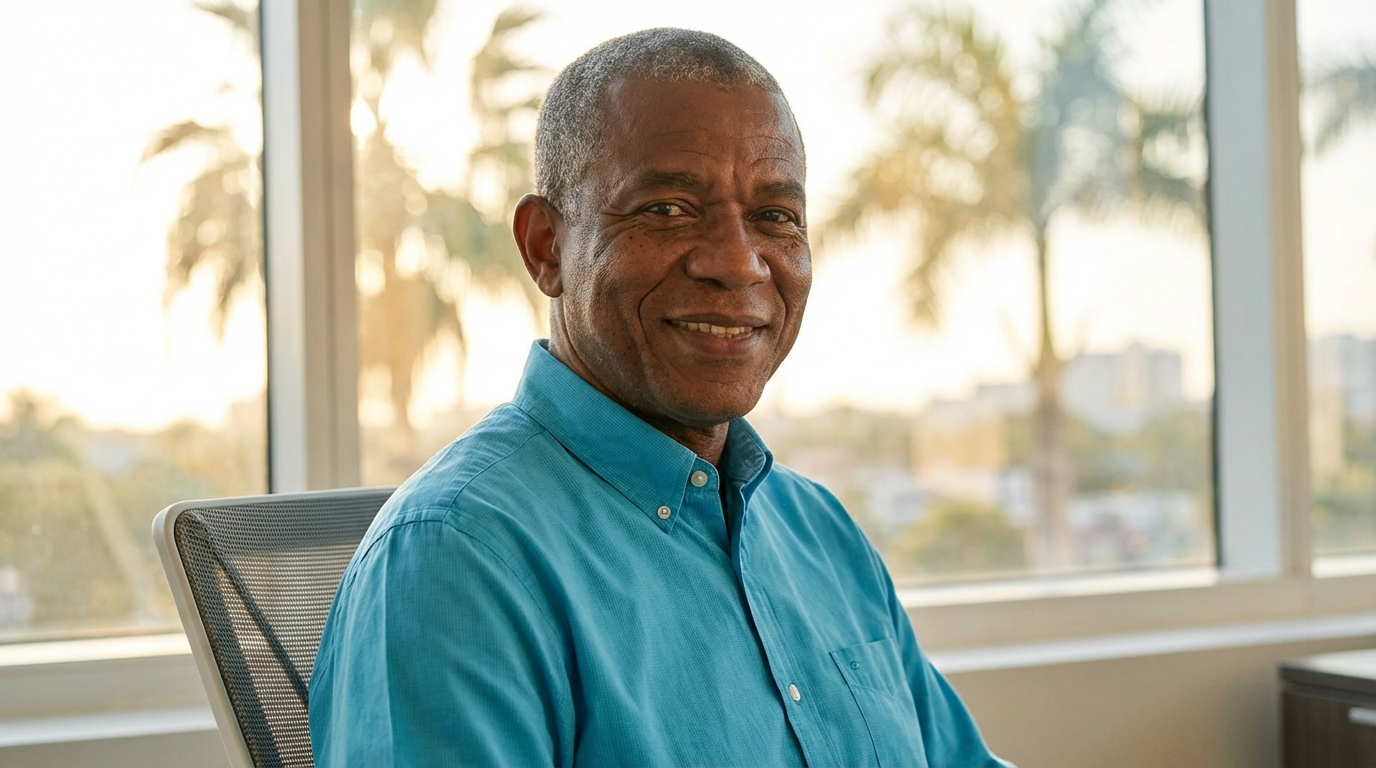
Jean-Pierre Baptiste
Bureau Chief
Biwo Solèy la, Miami, FL
D-SNP grocery and flex card cuts, Medicaid work requirements, community health center access, hurricane preparedness, chronic disease in Haitian community. Target areas: Miami-Dade, Broward, Palm Beach, Brooklyn, Brockton.
Kreyòl Ayisyen
/ht/atik/

김 편집장 Mrs. Kim
Bureau Chief
메트로 편집부, Fort Lee, NJ
Korean medical group network changes, home care and skilled nursing, Part D coverage for traditional medicine, quality of life benefits, Medicare Savings Programs. Target areas: Bergen County, Koreatown LA, Flushing, Irvine, Gwinnett.
한국어
/ko/gisa/
Cultural and community desks

Lola Maria Santos-Reyes
Bureau Chief
Tanggapan ng Pacific, Daly City, CA
Filipino doctor network access, diabetes and kidney disease coverage, family caregiver benefits, fraud at community centers and churches, language access. Target areas: Daly City, LA, San Diego, Vallejo, Honolulu, Las Vegas, Jersey City, Virginia Beach, Chicago.
Tagalog
/tl/artikulo/

Omar Al-Rashid
Bureau Chief
مكتب البحيرات العظمى, Dearborn, MI
Arabic interpreter rights, diabetes and heart disease coverage, cultural barriers in healthcare, family caregiving, dual-eligible issues, fraud targeting Arab seniors. Target areas: Dearborn, Sterling Heights, Paterson, Brooklyn, Anaheim, Houston, Falls Church, Chicago.
العربية
/ar/maqalat/

Natasha Petrova-Volkov
Bureau Chief
Восточное Бюро, Brooklyn, NY
D-SNP grocery benefit changes, heart disease and cancer screening, mental health coverage, Medigap vs MA comparison, dual-eligible benefits, Extra Help. Target areas: Brighton Beach, Queens, Sacramento, West Hollywood, Sunny Isles, Hallandale, Portland, Seattle, Philadelphia, Chicago.
Русский
/ru/stati/

Dr. Priya Sharma
Bureau Chief
ट्राई-स्टेट ब्यूरो, Edison, NJ
Diabetes and heart disease coverage, immigration-specific Medicare issues including the 5-year bar, family caregiving, drug costs for metformin and statins, D-SNP for low-income seniors. Target areas: Edison, Jersey City, Queens, Nassau, Sugar Land, Plano, Fremont, San Jose, Naperville, Schaumburg.
हिन्दी
/hi/lekh/

Pani Teresa Kowalska
Bureau Chief
Biuro Polonijne, Chicago, IL
Polish-American senior community, family caregiving, Medicare Part D, drug cost trends, dual-eligible benefits in Greater Chicago.
Polski
/pl/artykuly/

Pastor Gloria Williams
Desk Chief
African American Community Desk, Atlanta, GA
Faith-community Medicare outreach, chronic disease management, dual eligibility, hospital quality in majority-Black counties, fraud targeting Black seniors.
English
/community/articles/
Specialty desks

James "Jim" Powell
Bureau Chief
Veterans Desk, San Antonio, TX
VA + Medicare coordination, TRICARE for Life vs Medicare Advantage, VA facility ratings, prescription drug coverage through VA pharmacy, service-connected disability and Medicare interaction.
English
/va/articles/

Diane Marshall
Bureau Chief
Turning 65 Desk, Scottsdale, AZ
Initial Enrollment Period rules, Part B late penalty, employer coverage transition, IRMAA brackets for new enrollees, Medigap open enrollment timing, ICHRA for early retirees.
English
/turning-65/articles/

Joe Whitehorse
Bureau Chief
Indian Country Desk
IHS and Medicare coordination, tribal health program eligibility, Purchased/Referred Care rules, dual-eligible enrollment on reservations, travel and distance barriers to specialty care, and Medicare Advantage plans serving tribal counties.
English
/indian-country/articles/

Earl Jackson
Bureau Chief
Rural Desk, Clarksburg, WV
Rural plan exits, critical access hospital quality, telehealth coverage in low-broadband counties, transportation benefits, distance-to-pharmacy issues, rural HRSA shortage areas.
English
/rural/articles/
Frequently asked questions
- How are SeniorWire editors assigned to topics?
- Each editor owns a community, geography, and beat. Topics route through the Data Desk based on which community a story affects. When a single news event affects multiple communities, each affected desk covers it from their cultural angle with cross-desk references.
- Are SeniorWire editors real people or AI personas?
- SeniorWire is built as a Data Desk newsroom. Articles are produced by the Data Desk under Organization-level authorship for YMYL accuracy and accountability. The editor names represent the cultural beats and expertise areas the newsroom covers. Every statistic in every article is verifiable by following the Dataset JSON-LD links to the public source.
- Can I contact a specific editor?
- Yes. Email corrections@seniorwire.org with the editor's name in the subject line, or use the editor's bureau name. Corrections, story tips, and source-flagging are all routed by bureau.
- Why does SeniorWire have so many cultural desks?
- Medicare coverage gaps fall hardest on language minorities. Vietnamese, Korean, Haitian Creole, Hindi, and Tagalog are dramatically underserved by mainstream Medicare reporting. We built fourteen cultural desks because every community has different carriers, different doctors, different drug needs, and different scams targeting them. A single English-only newsroom cannot cover those gaps.